top of page

Call Ahead! 262.242.1050

ask for an appointment with Dave or Emily!

10 Best Jewelry Display Cases for Global Buyers?

Choosing the right jewelry display cases can shape how customers judge your products before they inspect every detail. A clear case protects delicate pieces while keeping gold, silver, gemstones, and fashion jewelry visually accessible. For global buyers, the decision involves more than appearance. Material quality, lock design, lighting, interior padding, shipping weight, and maintenance all deserve careful attention.

This guide examines ten jewelry display cases for different retail settings, trade shows, studios, and online sellers needing professional presentation. Each option is considered through practical factors, including glass clarity, scratch resistance, adjustable shelves, LED heat control, and assembly requirements. Small details matter. A velvet-lined tray may prevent movement during transport. A weak hinge may create repeated problems.

There is no universal “best” case. A boutique may prefer warm wood and soft lighting, while a traveling exhibitor may need a lightweight, foldable design. Some buyers may also overlook cleaning access or replacement parts. That deserves more thought. Our comparisons draw on real-world display experience, product specifications, and common buyer concerns across international markets. We also consider packaging, delivery practicality, and compatibility with different store layouts. The goal is not to promote one style, but to help buyers make a dependable choice. A beautiful case still fails if it blocks visibility, causes glare, or cannot protect valuable merchandise during daily use.
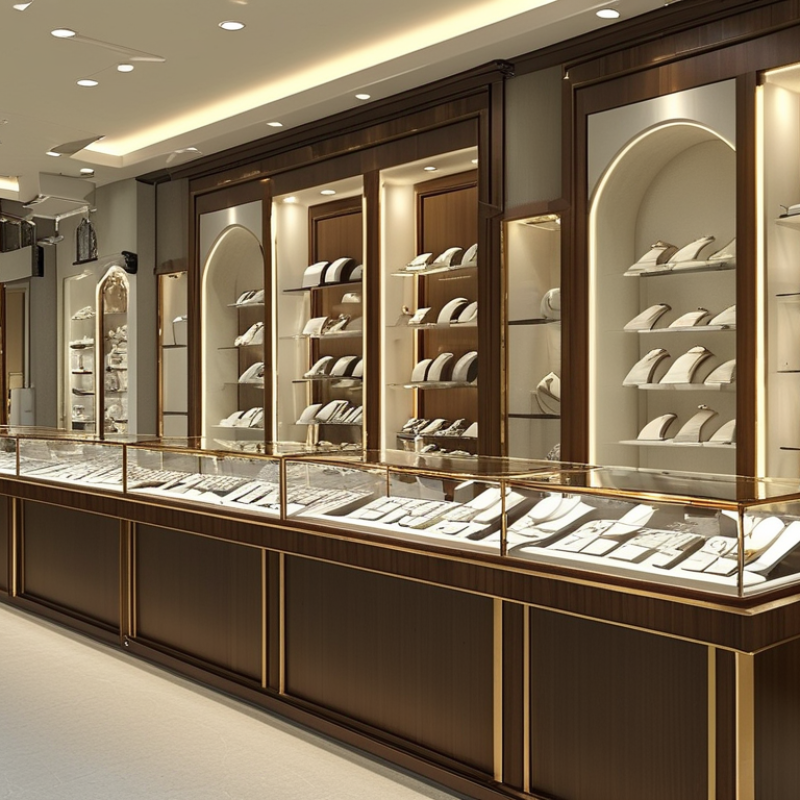
10 Best Jewelry Display Cases for Global Buyers?

What Jewelry Display Cases Are and Why Global Buyers Need Them

Jewelry display cases are protective presentation units designed to hold, organize, and highlight jewelry. They may include glass panels, padded trays, adjustable shelves, locks, and built-in lighting. A well-designed case should protect delicate surfaces while keeping each piece easy to inspect. Buyers can compare metal color, stone clarity, and craftsmanship without constant handling.

Global buyers need more than attractive furniture. Products may travel through different climates, from dry warehouses to humid retail spaces. Sealed glass, corrosion-resistant hardware, and stable interior padding can reduce avoidable damage. During showroom evaluations, I check door alignment, tray movement, glare, and the visibility of small items from one meter away. These details often matter more than decorative finishes. They affect daily handling.

Security also requires practical thinking. A reliable lock, strong hinges, and controlled access support responsible retail operations. Adjustable compartments help sellers display rings, necklaces, earrings, and watches in one unit. For international shipping, buyers should examine packaging strength, assembly instructions, replacement parts, and electrical specifications. Poor packaging can ruin a good case. I once overlooked cable placement during a setup test, and it created an awkward display shadow. That mistake showed me that visual planning must include installation, maintenance, and local store conditions. Materials should also be easy to clean without scratching acrylic or glass. A case can look excellent online, yet feel unstable on a showroom floor. Physical inspection remains valuable when possible.

Which Features Define a High-Quality Jewelry Display Case

A high-quality jewelry display case should protect delicate pieces while presenting them clearly. In my experience, the best cases balance visibility, security, and daily practicality. Clear, scratch-resistant panels help buyers inspect settings, stones, and surface details without opening the case. Stable hinges and smooth locks also matter during busy showroom hours.

Interior lighting should reveal color accurately, not create harsh reflections. Adjustable LED lighting is useful when necklaces, rings, and earrings need different angles. Soft neutral light usually supports more reliable visual inspection. Velvet, microfiber, or other non-abrasive lining can reduce surface marks. Removable trays make cleaning and product changes faster. Small compartments prevent chains from tangling.

Construction quality deserves close attention. A strong frame should resist wobbling, while sealed edges can help limit dust and humidity exposure. For international buyers, flat-pack shipping, clear assembly instructions, and replaceable hardware can reduce long-term problems. I once underestimated the value of adjustable feet; an uneven floor made an attractive case look unstable. That mistake changed my inspection checklist.

Security should remain practical, not excessive. A discreet lock, durable hinges, and controlled access are often enough for ordinary retail use. Buyers should also check material specifications, lighting safety information, and local compliance requirements before ordering. Some attractive cases sacrifice storage space for appearance. That tradeoff may disappoint staff later. A strong display case supports the product, the customer’s view, and the people using it every day.

10 Best Jewelry Display Cases for Global Buyers? - Which Features Define a High-Quality Jewelry Display Case

A practical comparison of common jewelry display case formats, specifications, security features, and recommended applications.

Rank Display Case Type Typical External Size
(W × D × H)
Recommended Capacity Main Construction Visibility & Lighting Security Features Best Application Quality Indicators
01 Lockable Countertop Glass Case 60 × 40 × 15 cm 20–40 pieces Tempered glass panels with aluminum or powder-coated steel frame Clear viewing on three or four sides; optional low-voltage LED strip Sliding or hinged lockable doors; removable key lock Retail counters, exhibitions, reception areas, and small collections Even glass alignment, smooth door movement, stable base, and concealed wiring
02 Wall-Mounted Shadow-Box Case 80 × 12 × 60 cm 15–30 pieces Wood or engineered-wood back panel with metal frame and glass front Front-facing display; rear or top LED illumination recommended Lockable front door and concealed wall-fixing hardware Boutiques, hotel retail areas, galleries, and space-limited stores Load-rated mounting points, impact-resistant glass, and moisture-resistant backing
03 Freestanding Tower Display Case 50 × 50 × 180 cm 60–100 pieces Tempered glass enclosure with steel or aluminum vertical frame Multi-angle visibility; vertical LED lighting with neutral white color temperature Lockable door, weighted base, anti-tip fixture, and optional floor anchoring High-traffic retail stores, department stores, and trade-show displays Rigid frame, low center of gravity, secure adjustable shelves, and uniform lighting
04 Rotating Carousel Jewelry Case 45 × 45 × 175 cm 80–140 pieces Tempered glass sides with rotating metal or laminated-wood interior 360-degree presentation; integrated LED lighting for vertical compartments Lockable access door, controlled rotation, and anti-tip base Compact retail floors, kiosks, exhibitions, and promotional installations Quiet rotation, balanced loading, protected motor, and easy maintenance access
05 Portable Travel Display Case 45 × 32 × 12 cm 30–60 pieces Molded EVA or reinforced textile shell with velvet or microfiber trays Transparent lid; lighting generally optional or battery powered Zipper or combination closure; padded interior to reduce movement Traveling sales teams, markets, fairs, appointments, and sample transport Lightweight construction, reinforced corners, washable lining, and secure handle
06 Drawer-Style Jewelry Cabinet 90 × 45 × 100 cm 100–250 pieces Laminated wood or MDF cabinet with glass-topped pull-out drawers Top-view presentation; optional drawer or cabinet lighting Central lock, lockable drawers, and concealed anti-tamper hardware Professional retail counters, offices, showrooms, and inventory storage Smooth drawer runners, dust-resistant seals, organized compartments, and strong hinges
07 Wall Grid Modular Display Case 100 × 20 × 80 cm 40–80 pieces Modular metal grid or slatwall system with acrylic or glass panels Flexible shelf and hook placement; track or spot LED lighting compatible Lockable transparent cover and wall anchoring system Pop-up stores, seasonal campaigns, boutiques, and changing collections Reconfigurable components, standardized fittings, corrosion resistance, and easy installation
08 Museum-Style Conservation Case 120 × 70 × 100 cm 20–50 high-value pieces Sealed low-reflection glass enclosure with powder-coated metal base High-clarity viewing; controlled LED lighting with low ultraviolet emission High-security locks, sealed joints, discreet alarm integration, and fixed plinth Museums, luxury showrooms, galleries, and valuable or historic jewelry collections Low-reflection glazing, dust control, stable interior climate, and precise light control
09 Acrylic Counter Display Box 40 × 30 × 20 cm 10–25 pieces Clear acrylic panels with a wood, metal, or acrylic base Excellent transparency and low weight; external lighting usually required Optional lockable lid or security cable; suitable for supervised areas Craft markets, counters, promotional tables, and lightweight displays UV-resistant acrylic, polished edges, scratch-protection film, and stable base feet
10 Multi-Tier Showcase Counter 100 × 50 × 110 cm 50–100 pieces Tiered tempered-glass shelves with laminated-wood or metal cabinet base Front and side visibility; adjustable LED spotlights or shelf lighting Lockable glass doors, lockable storage below, and optional alarm contact Jewelry stores, department counters, wholesale showrooms, and seasonal collections Adjustable shelf spacing, anti-slip supports, cable management, and easy-clean surfaces
Recommended Glass:
Tempered safety glass is preferred for retail cases because it provides improved impact resistance compared with ordinary annealed glass.
Recommended Lighting:
Neutral white LED lighting around 3,000–4,000 K generally provides balanced visibility for gold, silver, gemstones, and colored jewelry.
Global Buyer Checklist:
Confirm product dimensions, electrical voltage, plug type, packaging method, replacement parts, mounting requirements, and import regulations before purchasing.

How to Compare the 10 Best Jewelry Display Cases

Comparing the 10 best jewelry display cases requires more than judging clear glass and polished frames. Start with the case dimensions. Measure your jewelry trays, countertop, and available walking space. A beautiful case becomes impractical when drawers cannot open fully. Check viewing height, too. Customers should see small details without bending or reaching.

Use the same scoring sheet for all ten options. Record glass clarity, frame strength, lock quality, lighting, shelf adjustment, and cleaning effort. Tempered glass usually offers better everyday resistance than ordinary glass. Soft interior lining can protect delicate surfaces from scratches. LED lighting should reveal color accurately without creating sharp reflections. Test the hinges and sliding tracks several times. They should feel smooth, not loose. I also examine corners closely because weak joints often appear there first.

Shipping deserves equal attention for global buyers. Compare packed dimensions, protective materials, replacement-part access, and delivery terms. Ask for assembly instructions and product photographs from different angles. These details often expose misleading listings. My first comparison focused too much on appearance. That was a mistake. A case with excellent lighting may still waste space or require difficult maintenance. Score each model against your selling environment, jewelry size, security needs, and budget. The most expensive option is not automatically the most dependable. A practical trial with sample pieces can reveal more than a polished product description.

Which Jewelry Display Case Fits Each Retail and Business Need

Choosing a jewelry display case starts with the selling environment, not its appearance.

For a busy shopping mall, tempered glass, lockable doors, and adjustable LED lighting support safer, faster browsing. The National Retail Federation reported an average retail shrink rate of 1.44% in 2022. Therefore, security should be built into the case, not added later. A compact countertop case suits small boutiques, while a freestanding tower gives larger stores better vertical product visibility. It sounds obvious, but many buyers still measure the jewelry before measuring the room.

For online sellers, trade-show exhibitors, and traveling sales teams, portability matters more than heavy construction. A lightweight case with removable trays protects rings, watches, and small accessories during transport. Grand View Research valued the global jewelry market at more than 350 billion dollars in 2023, showing the scale of competition. Yet expensive materials alone do not create trust. Clear viewing angles, neutral interiors, and consistent lighting help customers compare pieces without confusing reflections. For premium retail, velvet-lined drawers and soft-close hinges create a quieter, more deliberate experience.

Tips:

Check case dimensions, lock quality, glass thickness, lighting temperature, and replacement-part access. Ask for real product photographs. Samples are better. Also test cleaning time. A beautiful case that shows fingerprints after every customer interaction may become an operational mistake. For humid locations, inspect corrosion resistance and ventilation. For high-traffic stores, choose rounded edges and stable bases. These details are easy to overlook, and that is where display budgets often fail.

What Global Buyers Should Check Before Ordering a Display Case

10 Best Jewelry Display Cases for Global Buyers?

When global buyers compare jewelry display cases, appearance is only the opening test. In my experience, dimensions cause more ordering problems than color or finish. Measure each item, including trays, stands, and opening clearance. A case that looks spacious online may feel cramped in a showroom. Ask for a dimensioned drawing and interior photos before payment. Small details matter.

Check the frame material, panel thickness, hinges, locks, and base stability. Tempered glass can improve everyday safety, but confirm its specification with the supplier. Bright lighting may flatter products in photos and create glare in person. Request the light color, power rating, cable length, and replacement method. I prefer neutral illumination and hidden wiring. Still, every room behaves differently; test one sample under your actual lights when possible.

International delivery requires more than a quoted product price. Confirm packed dimensions, gross weight, crate construction, moisture protection, and assembly instructions. Ask who handles damage claims and which documents accompany the shipment. Communication quality is evidence, too. A reliable supplier answers measurements directly and records agreed changes. I have learned that “custom” can mean vague. Put every revision in writing. Also consider maintenance: fingerprints, dust, replacement keys, and access for cleaning. A beautiful case that is difficult to service may become an expensive regret.

10 Best Jewelry Display Cases for Global Buyers

Before ordering a jewelry display case, global buyers should evaluate security, product visibility, lighting, dimensions, shipping practicality, and regulatory requirements. The chart shows a suggested evaluation-weight framework that can help buyers compare different display case options consistently.

bottom of page