What Are the Top 10 Quality Patio Furniture Brands?
Choosing the right outdoor seating can change how often a patio is truly used. Quality Patio Furniture should feel comfortable, stable, and dependable through changing weather. A beautiful chair means little if its finish fades after one summer.
This guide examines ten respected patio furniture brands through practical criteria. We consider frame materials, joinery, cushion construction, fabric performance, warranty support, and long-term value. We also look at details shoppers often notice later, such as rust near bolts, water pooling beneath cushions, or tables that wobble on uneven stone.
Real-world use matters. A dining set should remain steady during a windy evening meal. Lounge cushions should recover after repeated use, not stay flattened. Powder-coated aluminum, teak, steel, and synthetic wicker each offer advantages, but none is perfect for every climate or budget. Maintenance requirements can also change the overall cost.
The ranking is not absolute. Regional availability, retailer service, and personal taste may alter the order. Some premium brands justify higher prices through stronger warranties and replaceable components. Others provide impressive value with simpler designs. That distinction deserves careful attention.
A closer look helps.
The following selections combine manufacturer information, customer experience, material knowledge, and practical comparison. They are intended to support informed decisions, not replace personal inspection. Whenever possible, test the seating, check the hardware, and read the warranty before purchasing. Even a trusted brand can produce a disappointing piece when storage, assembly, or climate conditions are overlooked.
How Quality Patio Furniture Brands Are Evaluated
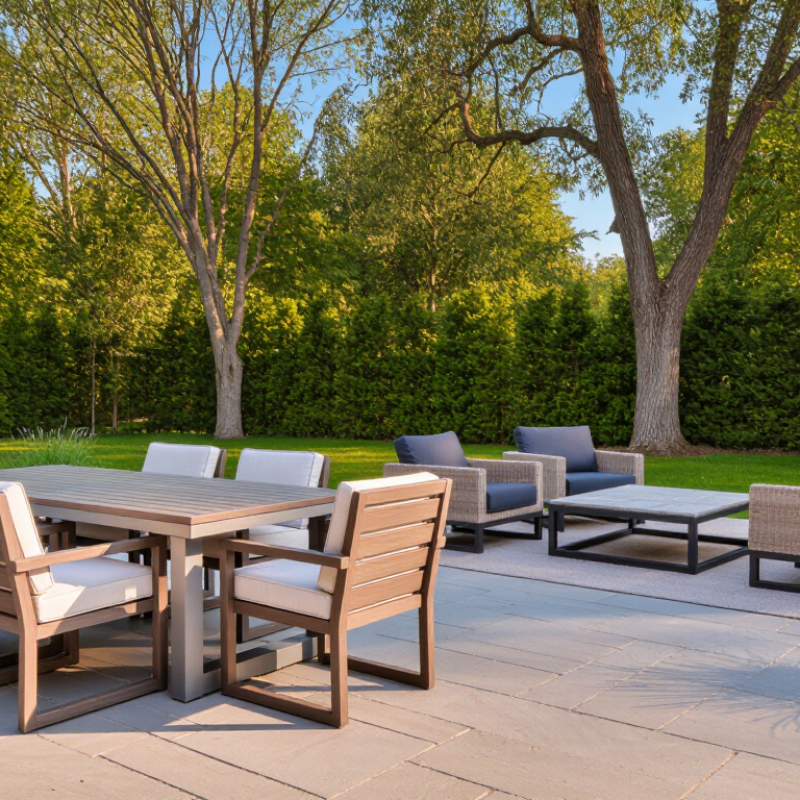
Evaluating quality patio furniture starts with materials, construction, and the conditions it must endure. Check whether the frame resists corrosion, then inspect welds, joints, and fasteners for clean, even finishes. Lift a chair; excessive wobble may signal weak connections. For cushions, look for removable covers, supportive filling, and seams that lie flat. A water-resistant label alone does not guarantee quick drying or lasting color.
Tips: Feel the frame. Check the seams. Place a chair on level ground and test it gently. Look underneath for capped edges and drainage openings, where appropriate. Read the care instructions before buying.
Compare warranty terms, but read the exclusions; coverage can vary by material and component. Ask whether replacement cushions or hardware are available, since a small repair may extend a set’s useful life. Consider how the furniture will be stored and cleaned in your climate. There is no perfect scorecard: attractive finishes can hide weak construction, and even well-made pieces need care. A careful inspection, clear product details, and realistic maintenance expectations offer a more dependable basis for judging quality.
The Top 10 Quality Patio Furniture Brands Compared
Comparing ten quality patio furniture makers is more useful when you judge the same details across each collection. Check frame material, joint construction, fabric performance, replacement-part availability, and warranty terms. Aluminum is light and resists rust, while well-finished hardwood feels substantial but needs regular care. Woven designs vary widely; inspect the frame beneath the weave. A polished showroom sample can hide weak joints.
Comfort matters, too. Sit for several minutes and notice seat depth, back support, and whether cushions slide. Ask how covers handle sun exposure and rain, rather than assuming “weather-resistant” means maintenance-free. Compare delivered prices, including assembly and protective covers. A high price is not proof of longer life. One honest limitation: quality can differ between collections from the same maker, so assess the exact set you plan to buy. Small details count.
Tips: Check screw heads, welds, stitching, and drainage openings in person. Read care instructions before purchase. If reviews disagree, look for repeated comments about fading, loose joints, or delayed replacement parts—not just star ratings.
What Makes Patio Furniture Last? Typical Lifespan by Material
A useful way to compare patio furniture is by the typical service life of its main material. These approximate ranges are not guarantees: climate, construction, exposure, and maintenance can all affect how long furniture lasts.
Ranges are broad estimates for outdoor use. Protective covers, regular care, and sheltered placement may extend service life.
Materials, Construction, and Weather Resistance by Brand
When comparing the top ten quality patio furniture brands, inspect materials before styling.
Grand View Research valued the global outdoor furniture market at about $48 billion in 2022.
That growth increases choice, but not necessarily durability.
Powder-coated aluminum should feel rigid, with sealed welds and evenly finished corners. Teak performs well outdoors because its natural oils slow moisture absorption.
However, untreated wood still needs inspection. Look for dense grain, stable joinery, and drainage gaps beneath slats. Recycled plastic resists rot, though thinner boards can flex under weight.
Construction reveals more than showroom appearance.
Sit on every chair and check for movement, sharp edges, or uneven legs. Stainless-steel fasteners usually handle humidity better than ordinary steel.
For cushions, solution-dyed acrylic fabrics offer stronger color retention than surface-printed textiles.
The 2023 ASTM weathering guidance for outdoor materials emphasizes ultraviolet exposure, moisture, and temperature cycling.
A useful product claim should identify its test method, not simply say
“weatherproof.”
That distinction matters.
Weather resistance is never absolute.
The EPA’s climate data shows increasing heat and heavier rainfall in many U.S. regions, so regional conditions should guide selection.
A covered balcony needs different protection from an exposed coastal deck.
In practice, I would prioritize raised feet, breathable covers, replaceable cushions, and documented corrosion testing.
One mistake is trusting warranties too much; exclusions often include salt air, wind damage, or neglected cleaning.
Inspect the hardware every season.
Even excellent furniture can fail early.
Best Patio Furniture Brands for Different Outdoor Spaces
The best patio furniture depends on the space it needs to serve. A narrow balcony calls for slim chairs, a compact table, and pieces that are easy to move. Measure the walking route, not just the floor area. Even a small chair can make a doorway awkward. That detail is easy to miss.
For a sunny deck, look for weather-resistant frames, secure joints, and cushions with removable, quick-drying covers. Check how the finish handles direct sun and frequent rain. For a covered porch, comfort may matter more than maximum weather protection. Deep seats and a side table can make a quiet reading spot. Keep enough room to pull chairs back without scraping a wall.
A large garden patio can support a dining set, lounge seating, or both,
but traffic flow still matters. Leave clear paths between the door, table, and seating area. Materials should match your maintenance habits; even durable furniture needs occasional care. It is tempting to choose the thickest cushions or heaviest frame. Those may not suit a windy balcony or a small household. Reconsider the space at different times of day, too. Afternoon glare can make a beautiful seating arrangement less useful.
How to Choose the Right Brand for Your Patio Needs
Choose a patio furniture brand by matching its products to your space and routine. Measure the area, including room to pull out chairs and walk around the table. Notice where the sun falls in late afternoon, and whether rain tends to pool beneath the furniture. Small details matter.
When comparing options, check frame materials, connection points, and care instructions. Smooth welds, sturdy joints, and replaceable hardware can be more useful than a polished product photo. For cushions, look for clear fabric and filling specifications, plus guidance on drying and storage. Sit in the chair if you can. A seat may look generous online but feel narrow after ten minutes. That happens.
Also check whether replacement covers or parts are available, and read warranty terms closely. A long warranty can sound reassuring, but exclusions may limit what it covers. Consider the effort required to move or store each piece; heavy furniture may be stable in wind, yet awkward on a small deck. I’d weigh comfort and maintenance equally, though that balance is personal. A slightly imperfect finish might be acceptable if the frame feels sound and the furniture suits your daily use. Don’t pay extra for features you are unlikely to use.